
Archyvai: Books
Description For Books
Shaping justice: how penal law and the judiciary address contemporary societal challenges
Preuzmite publikaciju
Revisiting the Concept of Jurisdiction in the Digital Era

Srpski fudbal – uporednopravni izazovi i perspektive V

Justinijanova Digesta – pedeseta knjiga
Book of abstracts from the International scientific conference 20 years of the convention on the rights of persons with disabilities, 25-26 september 2025, Belgrade

Sajber zakonodavstvo Srbije – drugi deo –
Constitutional Dignity Imperiled: A European Comparative Perspective

Pravo na privatnost na radu

Etička dimenzija sudske samouprave u Srbiji

Adequate representation of persons belonging to national minorities in public bodies

Law on General Administrative Procedure: Contemporary Tendencies and Challenges : Thematic Collection

Srpski fudbal – uporednopravni izazovi i perspektive IV

Ustav i predsenik republike : srpske dileme

Neobjavljeni radovi dr Stefana Andonovića
Causation of damage, damage compensation and insurance

From national sovereignty to negotiation sovereignty

Common (and collective) property – a historical perspective
Neustavnost zakona i upravni akti : dejstva ustavnosudskih odluka o neustavnosti zakona na upravne akte

Pravo i javne delatnosti : liber amicorum Jovica Trkulјa

Nasilje nad ženama u međunarodnom pravu

Savremeno državno-crkveno pravo : uporednopravni izazovi i nacionalne perspektive
Conflict of interest: An Analysis of the Regulatory Framework in Selected Western Balkan Countries
Sećanje na dr Jovana Ćirića – putevi prava

Srpski fudbal – uporednopravni izazovi i perspektive III

Pravna dejstva braka : lični i imovinski odnosi supružnika

Neizvršenje ugovora, odgovornost i naknada štete
Prior determination of the sources governing contractual interactions was essential for the research on various conceptualizations of contract non-performance, contractual liability, and compensation of damages. Given that contract is the primary source of rules governing contractual relations, principles of autonomy of will and contractual freedom were studied, as well as their limitations. In addition to examining national and international sources that can govern mutual rights and obligations in accordance with modern methods of concluding contracts, emphasis was placed on contract forms and templates, adhesion contracts, standardized agreements and their general terms and conditions of contracts (in business, travel, insurance, etc.). The role of a custom and customary law in contract law is emphasized, as well as the importance of understanding the evolution of principles in European and comparative contract law, doctrine and judicial and arbitral practices.
Before delving into and discussing many types of contract non-performance, it was critical to grasp the contractual obligations which can trigger certain legal consequences and the option of applying specific legal remedies. Legal effects as well as the principle of the contract’s binding force were examined in order to provide theoretical and historical explanations to the question of why contracts are binding. The analysis of the legal nature of contractual obligations commences with Roman law, which is then followed by an exploration of the theories of promise, reliance and transfer. The final component of this section delves into the prevalent idea and justification for the binding effect of contracts, which is represented succinctly as pacta sunt servanda.
The investigation into contract non-performance commences by conducting a comparative analysis of various approaches to defining the notion of contract non-performance. This encompasses an examination of the concept based on legally prescribed forms of non-performance, as well as the comprehensive concept of contract non-performance. The latter is subjected to further scrutiny through a thorough evaluation of the two systems: one that links the concept of contract non-performance to contractual liability, and another that determines contract non-performance by emphasizing legal remedies and the prerequisites for their implementation. Particular emphasis is placed on contract non-performance within the framework of Serbian positive law This section emphasizes the practical importance of defining various types of contract non-performance. It then proceeds to specifically examine the delay in the performance of a contractual obligation, the impossibility of performance and the liability for material and legal flaws in performing a contractual obligation.
The focus of the investigation of contractual liability is exploring the grounds of contractual liability in comparative law, with distinct consideration of the two systems: subjective and objective contractual liability. For the sake of reader comprehension, the study of subjective liability is offered in both Germanic and Roman systems. Such investigation comes before delving into the basis of contractual obligation under Serbian law. The exploration of contractual liability limitations and exclusions follows as well as limitations of such possibilities. The analysis continues by exploring contractual and statutory justifications for excluding and restricting contractual obligations. Subsequently, an evaluation is conducted to ascertain legal significance of exculpatory provisions. This segment delves into the present state and advancements in the utilization of these clauses by business practitioners engaged in commercial and international trade activities. Specifically, it concentrates on the regulations and repercussions that apply to such provisions in consumer contract law, particularly when they are formulated in a manner that renders them unjust contractual terms.
The examination of contractual damages is organized into four distinct sections. It begins by examining the purpose of damages, with a particular emphasis on three aspects: compensating the creditor for losses incurred as a result of the failure to achieve expected benefits from contract performance, compensating the creditor for losses incurred due to reliance on a validly executed contract and the belief that it would be fulfilled as agreed, and providing restitution to the creditor by requiring the party in breach of the contract to return what they received as performance under the contract. Furthermore, it addresses the protection of the creditor’s interest in demanding specific performance of the contract and the preventive role of damages. Alongside the legal treatment of the concept of damages and the requirements for asserting the right to damages, significant attention is devoted to conducting thorough research on quantifying damages and establishing proofs of contractual damages. This includes references to legal sources, theoretical and comparative studies, and relevant case law.
In a claim for damages, the creditor seeks compensation from the debtor for losses incurred as a result of non-performance or improper execution of a contract. The primary objective of this legal recourse is to restore creditor’s financial position to a state as if the debtor had fulfilled the contract properly. Typically, the creditor can achieve this by receiving a suitable monetary sum, but he/she must provide evidence of both the occurrence and extent of the damage. However, there may be instances where the creditor is unable to precisely prove the exact amount of the incurred damage, or it may be excessively challenging or costly to do so. In such cases, the creditor may only claim the costs incurred, relying on the expectation that the contract will eventually be fulfilled. The creditor has the right to determine how to formulate the claim for damages. Nevertheless, as a rule, they cannot simultaneously accumulate multiple claims to obtain a larger compensation because damages are not punitive. They do not serve as a penalty imposed on the debtor for breaching the contract; rather, they are intended to be equivalent to the actual harm and lost profits suffered. In situations where compensating for damages solely through the payment of a corresponding sum of money may not adequately remedy the deficiencies in contract execution, the creditor may seek compensation through the specific performance of the contract in kind.
Two fundamental inquiries arise when discussing compensation for damages: which types of damages are eligible for compensation, and how should the value of these damages be quantified in monetary terms? In the realm of comparative law, it is widely accepted that contractual damages are pecuniary, encompassing both actual harm and lost profits. However, there remains a lack of consensus regarding the entitlement of the injured party to receive compensation for non-pecuniary contractual damages, although arguments in favour of such compensation are gaining traction. Determining the amount of compensation necessitates the utilization of an appropriate calculation method to assess the damages. In principle, damages can be evaluated by considering the specific costs incurred by the injured party as a result of the breach of contract, which is referred to as a specific calculation of damages. However, due to the arduous task of proving damages for the injured party, comparative law has established two distinct so-called privileged methods for calculating the amount of compensation. These methods are applicable only when the creditor has terminated the contract breached by the debtor, who bears responsibility for the breach. The first method involves compensating the injured party based on the difference in market prices between the value of the contractual performance at the time the contract was concluded and its value at the time of non-performance. The second method entails compensating the injured party based on the difference between the agreed price of the terminated contract and the price from a cover contract, provided that this difference is detrimental to the injured party. It is important to note that compensation awarded through these methods represents the minimum amount for damages claim, and the creditor retains the right to pursue additional damages under the general rules for compensation until achieving full restitution.
The law of damages is governed by the principle of full compensation although comparative analysis reveals that all legal systems deviate from the principle of integral compensation. Different techniques are employed to implement these limitations, with the most common approach being to consider only the damages that the debtor could have foreseen as a possible consequence of the contract breach at the time the contract was concluded. Furthermore, the extent to which the creditor contributed to the occurrence or increase of the damages through their behaviour is often taken into account. Limiting damages to the foreseeable amount is necessary to ensure that the liability of the contractual debtor aligns with the objective and fair measure. This is because the causal link between the contract breach and damages, which is a necessary condition for the right to compensation for both contractual and non-contractual damages, can be relatively easily established in contractual damages. However, the challenge lies in assessing the amount of contractual damages, as not all damages that occur after the contract breach are always part of the ordinary course of events. They are often influenced by specific circumstances of the individual creditor and the case. Therefore, contractual damages are generally less than the loss for which the debtor is responsible, applying the theory of adequate causation prevalent in many continental legal systems or based on the division of damages into direct and indirect damages in common law systems. The solution to this problem is provided by the foreseeability rule, which ultimately determines the point at which the chain of causes and effects initiated by the contract breach stops. The monograph thoroughly analyses the relationship between causation and foreseeability as two criteria that limit the contractual liability of the debtor, intertwining and defining the final amount of damages. The calculation of contractual damages is also influenced by the behaviour of the creditor, such as whether they contributed to the damages or failed to take reasonable measures to prevent or minimize the damages. Hence, actions of the creditor also intersect with causation by disrupting the sequence of events between the breach of contract and the resulting damages in cases where the creditor played a role in causing the damages or neglected to take appropriate steps to prevent or reduce them. The monograph explicitly differentiates how each of these scenarios impacts the assessment of damages.

Uvod u fudbalsko pravo 1
Andonović S., Osvrt na pitanje državlјanstva u pojedinim sportovima u Republici Srbiji, Srpski fudbal – uporednopravni izazovi i perspektive, Institut za uporedno pravo, (ur. Dejan Šuput, Miloš Stanić), Beograd, 2021
Andonović S., Pravo na sport kao lјudsko pravo, Strani pravni život, 3/2017
Bačić A., Bačić P., Lisabonski ugovor i novi start europskog sportskog prava, Zbornik radova Pravnog fakulteta u Splitu 4/2011
Blažević M., Moderno poslovanje nogometnog posrednika i njegovi odnosi sa klijentima, završni rad, Ekonomski fakultet, Sveučilište u Splitu, 2021
Božić V., Đukić M., Krivičnopravna odgovornost za doping u sportu, Zbornik radova 34. Susreta Kopaoničke škole prirodnog prava Slobodan Perović, Beograd, Tom I, 2021
Vukadinović Marković J., Arbitraža kao način rešavanja sporova u fudbalu, Srpski fudbal – uporednopravni izazovi i perspektive, (ur. Dejan Šuput, Miloš Stanić), Institut za uporedno pravo, 2021
Vuković Z., Posrednička nadoknada kao bitan element ugovora o posredovanju u sportu, Usklađivanje pravnog sistema Srbije sa standardima Evropske unije, (ur. S. Soković), Pravni fakultet Univerziteta u Kragujevcu, Kragujevac, 2020
Vuković Z., Pravni položaj sportskog agenta u pregovorima, Savremeni pravni promet i usluge, (ur. M. Mićović), Pravni fakultet Univerziteta u Kragujevcu, Kragujevac, 2018
Đurđević N., Aktivnosti Saveta Evrope na sprečavanju dopinga u sportu, Pravni sistem Srbije i standardi Evropske unije i Saveta Evrope, knjiga I, (ur. S. Bejatović), Pravni fakultet Univerziteta u Kragujevcu, Institut za društvene nauke, Kragujevac, 2006
Đurđević N., Zaštita zdravlјa sportista i sprečavanje dopinga u sportu u Republici Srbiji, Zbornik radova Pravnog fakulteta u Splitu, 4/2011
Đurđević N., Krivična odgovornost za doping u sportu, u: Pravna država i stručnost procesnih subjekata kao instrument suprostavlјanja kriminalitetu, (ur. Stanko Bejatović), Pravni fakultet Univerziteta u Kragujevcu, 2015
Đurđević N., Uticaj Rodčenkov antidoping zakona na harmonizaciju borbe protiv dopinga u sportu na svetskom nivou, Zbornik radova Pravnog fakulteta u Splitu, 1/2022
Ječmenić M., Ugovor o posredovanju u sportu, Glasnik prava (www.jura.kg.ac.rs/gp), 2/2012, 39;
Vuković Z., Ugovori o stručnom angažovanju sportskih stručnjaka, doktorska disertacija, Pravni fakultet Univerziteta u Kragujevcu, 2019
Jovanović I., Postanak i razvoj nogometnog navijačkog pokreta u Engleskoj i njegovo širenje u europskim zemlјama, Diplomski rad, Kineziološki fakultet, Univerziteta u Zagrebu, 2022
Kasalo-Banić F., Nogometni huliganizam i reakcija društva: politika Margaret Tačer iz suvremene perspekive, doktorska disertacija, Kineziološki fakultet, Univerziteta u Zagrebu
Kačer H., Sportsko pravo, Pravni fakultet Univerziteta u Splitu, Split, 2018
Stanić, M., Rajić Ćalić J., Pravo Evropske unije i fudbal, 65 godina Rimskih ugovora: Evropska unija i perspektive evropskih integracija Srbije, Institut za uporedno pravo, Beograd, 2022, 315-327.
Stanić M., Sport(isti) i osiguranje, Odgovornost za štetu, naknada štete i osiguranje: tematski zbornik radova međunarodnog značaja, Intermeks , Institut za uporedno pravo, Beograd, 2017.
Medić I., Neka pitanja državlјanstva u sportu kao fenomen međunarodnog sportskog prava. Zbornik radova Pravnog fakulteta u Splitu, 2/2017
Mikić V., Uporedna analiza statuta kontinentalnih fudbalskih asocijacija sličnosti i specifičnosti, Srpski fudbal – uporednopravni izazovi i perspektive II, (ur. Miloš Stanić, Dejan Šuput), Institut za uporedno pravo, 2022, 49-56.
Molnar I., Pošteno natjecanje u sportu kroz pravila WADA-e i praksu CAS-a, Pravni fakultet, Univerziteta u Zagrebu, master rad, 2022
Nešković S., Nacionalni subjekti međunarodnih odnosa i ograničeni suverenitet, Ekonomija: teorija i praksa 2/2019, 12(2), 71-89, 10.5937/etp190271N
Nikač Ž., Milošević M., Borba protiv nasilјa i nedoličnog ponašanja na sportskim manifestacijama, sa osvrtom na ulogu MUP RS, Nasilnički kriminal: etiologija, fenomenologija, prevencija, (ur. Leposava Kron), Institut za kriminološka i sociološka istraživanja Beograd, 2010
Opavski P., Fudbalski sport za treći milenijum, Srpski fudbal –stanje i perspektive, (ur. Jovan Šurbatović), Institut za uporedno pravo, Fudbalski savez Beograda, Beograd 2016.
Pavićević V., Džamić V., Koncept suverenosti: razvoj i savremena tumačenja, Međunarodna politika, 1145/2012
Petrov V., Stanić M., Reprezentativni fudbal i promena državlјanstva-FIFA pravila, Srpski fudbal – uporednopravni izazovi i perspektive II, (ur. Miloš Stanić, Dejan Šuput), Institut za uporedno pravo, Beograd, 2022, 87-97.
Primorac D., Buhovac M., Miletić N., Istraživanje i dokazivanje dopinga kao sportskog delikta s osvrtom na kaznenopravni aspekt, Zbornik radova Pravnog fakulteta u Splitu, 1/2021
Sever M., Koncept nezavisnosti i nepristrasnosti u arbitražnom rešavanju sporova u fudbalskom sportu, Srpski fudbal – uporednopravni izazovi i perspektive, (ur. Dejan Šuput, Miloš Stanić), Institut za uporedno pravo, 2021
Sever M., Pravni okvir transfera profesionalnih sportista, doktorska disertacija, Pravni fakultet Univerzitet u Beogradu, 2016.
Stanić M., Klјučne tačke odnosa komunitarnog prava i fudbala, Srpski fudbal – Uporednopravni izazovi i perspektive (ur. Dejan Šuput, Miloš Stanić), Institut za uporedno pravo, Beograd, 2021, 99-108.
Težak P., Pravni okvir transfera sportaša, Doctoral dissertation, Polytechnic of Međimurje in Čakovec, 2018
Ćirić J., Fudbal kao ogledalo društva, u: Srpski fudbal – stanje i perspektive, (ur. Jovan Šurbatović), Institut za uporedno pravo, Fudbalski savez Beograda, Beograd 2016.
Hajsok D., Pravni okvir preveniranja i sankcioniranja protupravnih ponašanja na sportskim natjecanjima, Doktorska disertacija, Međimursko veleučilište u Čakovcu, 2018
Šuput D., Dokumenti međunarodnih organizacija koji propisuju zabranu upotrebe dopinga u sportu, Strani pravni život, 2/2009
Šuput D., Zabrana i sankcionisanje dopinga u sportu u državama Evropske unije, Strani pravni život, 1/2008
Šuput D., Nastajanje sportskog prava Evropske unije, Strani pravni život 2/2015
Šuput D., Pravni okvir koji uređuje borbu protiv nasilјa na sportskim priredbama u evropskim državama, Strani pravni život, 1/2010
Šuput D., Primena propisa Republike Srbije kao otežavajući faktor u procesu modernizacije srpskog fudbala, Srpski fudbal – stanje i perspektive, (ur. Jovan Šurbatović), Institut za uporedno pravo, Fudbalski savez Beograda, Beograd 2016.
Šuput D., Sistem fudbalskih propisa, Srpski fudbal – Uporednopravni izazovi i perspektive, Institut za uporedno pravo, (ur. Dejan Šuput, Miloš Stanić), Beograd, 2021
Barnett K., Sports Agents and Professional Athletes: The Legal Relationships Surrounding Professional Sports, 2014, dostupno na http://www.kentlaw.edu/perritt/courses/seminar/barnett%20Sports%20Agents%20and%20Professional%20Athletes%20by%20Katrina%20-%20Final%20Draft.pdf, pristup 11.08.2023.
Briggs L. V ., UEFA v. The European Community: Attempts of the governing body of European soccer to circumvent EU Freedom of Movement and Antidiscrimination Labor Law, Chicago Journal of International Law 1/2005
Closson P., Penalty Shot: The European Union’s Application of Competition Law to the Bosman Ruling, Boston College international&Comparative Law Review 1/1998
De Witte B., The European Union as an international legal experiment, The Worlds of European Constitutionalism (ed. De Búrca, J.H.H Weiler), Cambridge University Press, Cambridge 2012
Ducrey P. et al., UEFA and football governance: a new model, Centre International d’Etude du Sport, 2003, 32, dostupno na https://www.researchgate.net/profile/Kevin-Tallec-Marston/publication/323663265_UEFA_and_Football_Governance_-_A_new_model/links/5aa2a61f0f7e9badd9a665e9/UEFA-and-Football-Governance-A-new-model.pdf, pristup 25.07.2023.
Dyevre A., European Integration and National Courts: Defending Sovereignty under Institutional Constraints?, 3, dostupno na: http://citeseerx.ist.psu.edu/viewdoc/download?doi=10.1.1.952.94&rep=rep1&type=pdf, pristup 25.07.2023.
FIFA, Commentary on the Rules Governing Eligibility to Play for Representative Teams, 2021, dostupno na https://digitalhub.fifa.com/m/ccab990abf45fcf6/original/ro8mje8vw98yp3rvfbmi-pdf.pdf, pristup 26.07.2023.
Freeburn L., European Football’s Home-Grown Players Rules and Nationality Discrimination Under the European Community Treaty, Marquette Sports Law Review, 1/2009, dostupno na https://scholarship.law.marquette.edu/cgi/viewcontent.cgi?article=1013&context=sportslaw, pristup 26.07.2023.
García B., UEFA and the European Union: From Confrontation to Cooperation, Journal of Contemporary European Research 3/2007
Gasparini, W., Un sport européen ? Genèse et enjeux d’une catégorie européenne, Savoir/Agir, 15(1)/ 2011, 49-57.
Hamuľák O., National sovereignty in the European Union: View from the Czech perspective, Springer, 2016
Lindholm J., Can I please have a slice of Ronaldo? The legality of FIFA’s ban on third-party ownership under European union law. The International Sports Law Journal, 15/2016, dostupno na https://d1wqtxts1xzle7.cloudfront.net/41299297/Lindholm_-_TPO_-_Accepted_manuscript-libre.pdf?1453103355=&response-content-disposition=inline%3B+filename%3DCan_I_please_have_a_slice_of_Ronaldo_The.pdf&Expires=1690288928&Signature=eYwpji3ngFxP0uMFRAh9HKLBOe2R9C3f2uxkzdaKrcxQZCXKTQYrAMgktNnXQyA0WPwqr5VA3cvVdw9rmrkxOgu3YR7Z7WOUnWLFlcPwVI2c6ZnGgCWSTns90go-l97lNuf72b4L5wY~1vr7I2bfsrS~F21vNOEVjhlq9asfuc8UK6SyT5ZNlSzVOHNkvT7dyC4ndgJnlr~jgUbXHB2Vxl3lZULk6GIh4M23vH2EpoGD4rXP~hlzDMRytYmbRPryt4vJlvE2F7h8GXqoJpceUMDKfzws3Bg8-82zv~TIDE3s8enMDERTEDt401i3x2vAMVgG8q7dpZBYieEXBu1bcQ__&Key-Pair-Id=APKAJLOHF5GGSLRBV4ZA, pristup 25.07.2023. godine
Van Campenhout G., Van Sterkenburg J., Oonk G., Who counts as a migrant footballer? A critical reflection and alternative approach to migrant football players on national teams at the World Cup, 1930–2018., The International Journal of the History of Sport, 11/2018, dostupno na https://www.tandfonline.com/doi/pdf/10.1080/09523367.2019.1581769, pristup 26.07.2023.
Nilsson D., The Revised FIFA Regulations for the Status and Transfer of Players’ Compatibility with EC Competition Law-The Transfer System Revisited, dostupno na https://lup.lub.lu.se/luur/download?func=downloadFile&recordOId=1560490&fileOId=1565328,pristup 25.07.2023. godine
Oonk G., Who may represent the country? Football, citizenship, migration, and national identity at the FIFA World Cup, The International Journal of the History of Sport, 11/2020, dostupno na https://www.tandfonline.com/doi/pdf/10.1080/09523367.2020.1844188, pristup 26.07.2023.
Parrish R., Sports law and policy in the European Union, Manchester University Press, Manchester, 2003
Parrish R., The birth of European Union sports law, Entertainment Law 2/2003
Pearson G., Sporting justifications under EU free movement and competition law: the case of the football ‘transfer system’, European Law Journal 2/2015
Schulting J., Comparing Citizenship and Naturalization Policies in International Sports: The Case of the 2019 Asian Football Cup, 2019, dostupno na https://thesis.eur.nl/pub/50826/Schulting-Jorn.pdf, pristup 26.07.2023.
Siekmann R., The specificity of sport: sporting exceptions in EU Law Zbornik radova Pravnog fakulteta u Splitu, 4/2012
Siekmann R., The specificity of sport: sporting exceptions in EU Law Zbornik radova Pravnog fakulteta u Splitu, 4/2012
Tsoukala A., Combating football crowd disorder at the European level: an ongoing institutionalisation of the control of deviance, Entertainment and Sports Law Journal, 2/2009
Coenen P., Pearson G., Tsoukala A., Legal Responses to Football ‘Hooliganism’ in Europe – Introduction. In: Legal Responses to Football Hooliganism in Europe, edited by Anastassia Tsoukala, Geoff Pearson, Peter T. M. Coenen ur., TMC Asser Press, The Hague, 2016, dostupno na http://ndl.ethernet.edu.et/bitstream/123456789/68493/1/10.pdf, pristup 15.08.2023.
Tsoukala A., Security Policies and Human Rights in European Football Stadia, CEPS CHALLENGE Paper, No. 5, 2007, dostupno na http://aei.pitt.edu/7405/2/7405.pdf, pristup 28.07.2023.
Van Campenhout G., Van Sterkenburg J., The diversification of national football teams: Using the idea of migration corridors to explore the underlying structures of nationality changes amongst foreign-born players at the football World Cup, International Review for the Sociology of Sport, 1/2021, dostupno na https://journals.sagepub.com/doi/pdf/10.1177/1012690219892849, pristup 26.07.2023.
Yilmaz S., Esson J., Darby P., Drywood E., Mason C., Children’s rights and the regulations on the transfer of young players in football, International Review for the Sociology of Sport, 1/2020, 121, dostupno na https://journals.sagepub.com/doi/pdf/10.1177/1012690218786665, pristup 25.07.2023. godine
Mandarić S., Delibašić V., Sanctions for doping in sport, Fizička kultura, 1/2014
Otašević B., Protić A., Vandals Inside the Walls- Phenomenology of Hooliganism, Bezbednost-Časopis Ministarstva unutrašnjih poslova Republike Srbije, 1/2012
Simonović B., Đurđević Z., Otašević B., Violence at sporting events in the Republic of Serbia: National and international standards prevention and repression, Nauka, bezbednost, policija, 3/2011
Stanić M., Andonović S., Police detention of supporters in purpose of violence prevention of football fans based on case law of the European court of human rights, Archibald Reiss Days, 10, (ur. Stevo Jaćimovski), University of Criminal Investigation and Police Studies, Belgrade, 2020.
Krivična dela u oblasti rada
Prouzrokovanje štete, naknada štete i osiguranje

Odstupanje od redovne primene kolizionih normi

Sloboda medija i pravo na informisanost
- ALABURIĆ Vesna, Sloboda izražavanja u praksi evropskog suda za lјudska prava, Zagreb 2002.
- ANDERSON David, MURPHY Cian, The Charter of Fundamental Rights: History and Prospects in Post-Lisbon Europe, EUI Working Papers 8/2011, https://cadmus.eui.eu/bitstream/handle/1814/17597/LAW_2011_08.pdf?sequence=1&isAllowed=y.
- ANDONOVIĆ Stefan, „Pravna priroda Poverenika za informacije od javnog značaja i zaštitu podataka o ličnosti”, Arhiv za pravne i društvene nauke, 1-2/2019.
- ANDONOVIĆ Stefan, PRLJA Dragan, Osnovi prava zaštite podataka o ličnosti, Institut za uporedno pravo, Beograd 2020.
- ANDONOVIĆ Stefan, „Analiza Regulatornog tela za elektronske medije u Republici Srbiji”, Fondacija Centar za javno pravo, http://www.fcjp.ba/analize/Stefan_ Andonovic2-Analiza_Regulatornog_tela_za_elektronske_medije_u_Republici_ Srbiji.pdf, 8. 12. 2021.
- BARENDT Eric, HITCHENS Lesley, CRAUFURD-SMITH Rachael, BOSLAND Jason, Media Law: Text, Cases and Materials, Longman Law Series, Pearson 2013.
- BUCKLEY Steve et al., Broadcasting, Voice, and Accountability: A Public Interest Approach to Policy, Law, and Regulation, The University of Michigan Press, Ann Arbor 2011.
- BOVAN Saša, Pravna hermeneutika između filozofije i logike sociološki metod u tumačenju i primeni prava, Pravni fakultet Univerziteta u Beogradu, Beograd 2014.
- VELjANOVSKI Rade, „Mediji i država u tranziciji”, Godišnjak FPN, Beograd 2009.
- VELjANOVSKI Rade, „Medijska politika Srbije kao segment njene evropske politike”, u: Ustav i demokratija u procesu transformacije (Zbornik radova sa međunarodne naučne konferencije ’Država i demokratija u procesu evropeizacije Srbije’), (ur. PODUNAVAC Milan), Beograd 2011.
- VODINELIĆ V. Vladimir, „Sukob ličnih prava i sloboda mišlјenja”, Časopis za pravnu teoriju i praksu Pravni život (Pravni život), 11- 12/1992.
- VODINELIĆ V. Vladimir, Pravo masmedija, Beograd 2003.
- VUČKOVIĆ Jelena, Medijsko pravo, Medvest, Niš 2018.
- VOORHOOF Dirk, “European Court of Human Rights: Thirteen Judgements on Freedom of Expression and Information”, Iris, 8/1999.
- GASMI, Gordana, Reforme Evropske unije – institucionalni aspekti, Prometej, Beograd 2004.
- GOLDBERG David, SUTTER Gavin, WALDEN Ian, Media Law and Practice, Oxford 2009.
- DILIGENSKI Andrej, PRLJA Dragan, CEROVIĆ Dražen, Pravo zaštite podataka GDPR, Institut za uporedno pravo, Beograd 2018.
- DIMITRIJEVIĆ Predrag, VUČKOVIĆ Jelena, Medijsko pravo, Sven, Niš 2016.
- DITERTR Žil, Izvodi iz najznačajnijih odluka Evropskog suda za lјudska prava, Službeni glasnik, Beograd 2006.
- ŽIVKOVIĆ Miloš, KREMENJAK Slobodan, Media Law in Serbia, Wolters Kluwer 2017. Zbornik pravnih instrumenata Saveta Evrope u vezi sa medijima (drugo dopunsko izdanje), Kancelarija u Beogradu 2006.
- ZDRAVKOVIĆ Ana M., „SLAPP tužbe – zloupotreba prava na sudsku zaštitu u službi ograničavanja slobode izražavanja”, Strani pravni život 66(1)/2022, 75–96. https://doi.org/10.5937/spz66-35644
- IVOŠEVIĆ Zoran, „Sloboda izražavanja i prava ličnosti u medijskom ambijentu”, u: Zbornik radova Pravnog fakulteta u Nišu; Tematski broj – Mediji i lјudska prava, LXI 2012, 59–74.
- JANIS Mark, KAY Richard, BRADLEY Anthony, European Human Rights Law, Text and Materials, Oxford 2000.
- KNEŽEVIĆ BOJOVIĆ Ana, ĆORIĆ Vesna, MATIĆ BOŠKOVIĆ Marina, “Do Rules on the Protection of Journalists Extend to Media Workers Engaded in Campus and Student Broadcasting Organizations?”, On Student and University Broadcasting, Novi Sad, 2016, 35–51.
- KNEŽEVIĆ BOJOVIĆ Ana, RELJANOVIĆ Mario, Free Access to Information: An analysis of the regulatory frameworks in selected Western Balkan countries, Institut za uporedno pravo, Beograd 2022. https://doi.org/10.46793/80186818.FAI
- KOŠUTIĆ Budimir, RAKIĆ Branko, MILISAVLjEVIĆ Bojan, Uvod u pravo evropskih integracija, Pravni fakultet Univerziteta u Beogradu, Beograd 2016.
- KREMENJAK Slobodan, RABRENOVIĆ Aleksandra, RITTLER Robert, ŽIVKOVIĆ Miloš, The Law of Broadcasting Enterprises in the Federal Republic of Yugoslavia, Institute for Central and Eastern European Business Law (FOWI), Vienna University of Economics and Business Administration, Vienna, Austria, 2001.
- KRSTIĆ Ivana, MARINKOVIĆ Tanasije, Evropsko pravo lјudskih prava, Savet Evrope, Beograd 2016.
- KRSTIĆ, Ivana, „Izvršenje presuda Evropskog suda za lјudska prava kao vid harmonizacije pravnog sistema Srbije sa evropskim standardima u oblasti zaštite lјudskih prava”, u: Pravni kapacitet Srbije za Evropske integracije, (ur. LILIĆ Stevan), Beograd 2007.
- LAMAR Wiebke, Press Freedom as an International Human Right, Palgrave Macmillan, Cham 2018. https://doi.org/10.1007/978-3-319-76508-2
- LILIĆ Stevan, MILENKOVIĆ Dejan, Slobodan pristup informacijama, Komitet pravnika za ljudska prava, Beograd 2003.
- LORIAUD Elodie, VERNAZ Marion, La convention européenne des droits de l’homme et le contrôle du contenu des programmes, Dea droit des medias, Aix-en-Provence 2002-2003, https://iredic.fr/wp-content/uploads/2003/06/laconvention-europeenne-des-droits-de-lhomme-et-le-controle-du-contenu-desprogrammes-par-mmes-e.-loriaud-et-m.-vernaz.pdf, 8. 5. 2023.
- LUKIĆ Radomir, Metodi izučavanja prava, Anali Pravnog fakulteta Univerziteta u Beogradu, Beograd 1965.
- MENDEL Toby, Sloboda izražavanja Vodič za tumačenje člana 10 Evropske konvencije o ljudskim pravima i njegovog konteksta, Savet Evrope kancelarija u Beogradu, Beograd 2014.
- MARKOVIĆ Ratko, Ustavno pravo, Univerzitet u Beogradu – Pravni fakultet, Beograd 2016.
- MILENKOVIĆ Dejan, Ljudska i manjinska prava, sloboda izražavanja i uloga medija u uslovima sukoba i napetosti-priručnik za rad lokalnih medija, Niš Medija i Reform centar, Niš 2011.
- MILENKOVIĆ Dejan, Pristup informacijama, zaštita podataka o ličnosti i tajnost informacija: aktuelna pitanja zakonodavstva u Srbiji, Komitet pravnika za lјudska prava YUCOM, Beograd 2009.
- MILISAVLjEVIĆ Bojan, Međunarodno običajno pravo, Pravni fakultet Univerziteta u Beogradu, Beograd 2016.
- MILOŠEVIĆ Marko, „Uvod, značaj i metodologija istraživanja”, Slobodan pristup informacijama od javnog značaja – teorija i praksa (ur. MILOŠEVIĆ M., PETROVIĆ P.), Beogradski centar za bezbednosnu politiku, Beograd 2013.
- MILUTINOVIĆ Irina, Glavni trendovi srpskog tržišta dnevne štampe u okruženju digitalnih medija, Mediji i komunikacije – međunarodni časopis za medije, komunikacije, novinarstvo i odnose s javnošću, 3(5), 2016.
- MILUTINOVIĆ Irina, Primena Direktive o audio-vizuelnim medijskim servisima u medijskoj regulativi Republike Srbije, Evropsko zakonodavstvo, br. 43/44 2013.
- NENADIĆ Nemanja, Slobodan pristup informacijama u Srbiji: iskustva, problemi i perspektive radni izveštaj, Transparentnost Srbija, Beograd 2019.
- NICOL Andrew, MILLAR, Gavin, SHARLAND Andrew, Media Law and Human Rights, Blackstone’s Human Rights Series 2001.
- NIKOLIĆ Danilo, Medijsko pravo, Službeni glasnik, Beograd 2010.
- NIKOLIĆ Danilo, Sloboda izražavanja u teoriji, zakonima i praksi nacionalnih i Evropskog suda pravde, Knjiga-komerc, Beograd 2005.
- NIKŠIĆ Stevan, Sloboda izražavanja: mediji i ljudska prava: presude Evropskog suda za ljudska prava, Centar za profesionalizaciju medija, Beograd 2006.
- NIKŠIĆ Stevan, DAVIČO Ana, Etika novinarstva, Centar za profesionalizaciju medija, Beograd 2005.
- NUALA Mol, REJNOLDS Džejms, PAŽIN Zoran, Priručnik o sudskoj praksi Evropskog suda za ljudska prava: član 10 Evropske konvencije za zaštitu ljudskih prava i osnovnih sloboda: pravo na slobodu izražavanja, Cedem, Podgorica 2014.
- OSTER Jan, Media Freedom as a Fundamental Right, Cambridge University Press, Cambridge 2015. https://doi.org/10.1017/CBO9781316162736
- PAJVANČIĆ Marijana, Komentar Ustava Republike Srbije, Fondacija „Konrad Adenauer”, Beograd 2009.
- PALEVIĆ Milan, ĐORĐEVIĆ Srđan, „Sloboda informisanja i zloupotreba medija u procesu globalizacije”, Usklađivanje pravnog sistema Srbije sa standardima Evropske unije (ur. S. Đorđević), Univerzitet u Kragujevcu – Pravni fakultet, Kragujevac 2018.
- PAUNOVIĆ Milan, Jurisprudencija Evropskog suda za lјudska prava, Beograd 1993.
- PAUNOVIĆ Milan, CARIĆ Slavolјub, Evropski sud za lјudska prava – osnovna načela i tok postupaka, Beograd 2006.
- PAUNOVIĆ Milan, KRIVOKAPIĆ Boris, KRSTIĆ Ivana, Međunarodna lјudska prava, Pravni fakultet Univerziteta u Beogradu, Beograd 2016.
- POPOVIĆ Dragolјub, Evropski sud za lјudska prava, Službeni glasnik, Beograd 2017.
- POPOVIĆ Dragolјub, Evropsko pravo lјudskih prava, Službeni glasnik, Beograd 2012.
- POTTER W. James, Digital Media Effects, Rowman and Littlefeld, London 2021.
- PUDDEPHATT Andrew, Right to Information: Practical Guidance Note, UNDP 2004.
- Pravni kapacitet Srbije za evropske integracije, (ur. LILIĆ, Stevan), Pravni fakultet, Beograd 2007.
- RADIVOJEVIĆ Zoran, „Sud pravde Evropske Unije posle Lisabonskog ugovora”, Zbornik radova Pravnog fakulteta u Nišu, 55(73), Niš 2016, 25-43.
- RADOLOVIĆ Aldo, „Odnos prava osobnosti i medijskog prava”, Zbornik Pravnog fakulteta Sveučilišta u Rijeci, br 1/2007.
- RAČIĆ Obrad, MILINKOVIĆ Branko, PAUNOVIĆ Milan, Ljudska prava: pet decenija Opšte deklaracije o ljudskim pravima pod okriljem OUN, OEBS i Saveta Evrope, Međunarodna politika, Službeni list SRJ, Pravni fakultet, Fakultet političkih nauka, Beograd 1998.
- RAKIĆ Branko, Harmonizacija jugoslovenskog prava sa pravom Evropske unije, Pravni fakultet Univerzitet u Beogradu, Beograd 1997.
- RAKIĆ Branko, Za Evropu je potrebno vreme: o preuranjenom pokušaju uspostavlјanja evropske političke integracije, Pravni fakultet Univerzitet u Beogradu, Beograd 2009.
- RAKIĆ, Branko, Evropski sud pravde i sankcije prema Srbiji, Pravni fakultet Univerzitet u Beogradu, Beograd 2015.
- REHMAN Javaid, International Human Rights Law, Brunel University 2003.
- RELjANOVIĆ Mario, Analiza radnopravnog položaja novinara i medijskih radnika u Srbiji sa preporukama za unapređenje, OEBS, Beograd, 2021.
- RELjANOVIĆ Mario, „Pojam javne ličnosti u praksi Evropskog suda za lјudska prava”, Lex Forum 4/2007, 7–16.
- RELJANOVIĆ Mario, „Vojna tajna u nacionalnom zakonodavstvu i praksi”, u: S. Gajin et al., Zaštita podataka o ličnosti i poverljivi podaci, Beograd 2005.
- RELjANOVIĆ Mario, „Zaštita podataka o ličnosti u radnom odnosu”, u: S. ANDONOVIĆ, D. PRLjA, A. DILIGENSKI (ur.) Zaštita podataka o ličnosti u Srbiji, Beograd 2020, 61–92.
- RUNCEVA Hristina, APOSTOLOVSKA Milena, “Freedom of Expression Protection: Between the European Convention and the EU charter”, Pravni život, 12/2012.
- SMEDEREVAC Stevica, Evropsko medijsko pravo i zaštita nacionalnih interesa, RTS, Beograd 2013.
- STAJIĆ Dubravka, „Sloboda štampe i pravo na informisanje kao demokratske tekovine modernih društava”, Arhiv za pravne i društvene nauke, 3/1989.
- SURČULIJA MILOJEVIĆ Jelena, „Zaštita autorskog prava i pravo na slobodu izražavanja na internetu”, u: (ur. TORODOVIĆ, Dragan, PETROVIĆ Dalibor, PRLjA Dragan), Internet i društvo, Niš/Beograd 2014.
- SURČULIJA Jelena, „Regulatorni izazovi slobode izražavanja na internetu”, u: Sloboda izražavanja na internetu, (ur. SURČULIJA Jelena), Beograd 2010.
- SURČULIJA Jelena, „Uloga medijskih regulatornih tela: sloboda i nad- zor”, Srpska pravna revija, 7/2008.
- SURČULIJA Jelena, „Usaglašavanje medijskog zakonodavstva Srbije sa evropskim regulatornim okvirom”, u: Verodostojnost medija: dometi medijske tranzicije, (ur. VELjANOVSKI Rade) 2011.
- STEPANOVIĆ Ivana, Život na internetu: pravo na privatnost i online komunikacija, Institut za kriminološka i sociološka istraživanja, Beograd 2020.
- SHAW N. Malcolm, International Law, Cambridge University Press 1997.
- SHELTON Dinah, Remedies in International Human Rights Law, Oxford University Press, Oxford 2005. https://doi.org/10.1093/acprof:oso/9780199207534.003.0003
- TOMLJENOVIĆ Robert, Regulatorna tela za elektronske medije i medijska pismenost: uporedna analiza najboljih evropskih praksi, Council of Europe, Strasbourg 2018.
- TOMUSCHAT Christian, Human Rights Between Idealism and Realism, Academy of European Law, European University Institute, Oxford University Press 2008.
- TRKULjA Jovica, „Deficiti medijskog zakonodavstva u Srbiji”, u: Zbornik radova Pravnog fakulteta u Nišu; tematski broj – Mediji i lјudska prava, LXI 2012.
- The Media Freedom Internet Cookbook, OSCE Representative on Freedom of the Media, Vienna 2004.
- ĆORIĆ-ERIĆ Vesna, „Tri stuba zaštite osnovnih prava u poretku Evropske unije”, Pravni život, br. 12/2011, 471–485.
- ĆORIĆ Vesna, Naknada štete pred evropskim nadnacionalnim sudovima, Institut za uporedno pravo, Beograd 2017.
- ĆORIĆ Vesna, “The Role of the European Court of Justice in Shaping Certain Aspects of the Audiovisual Media Framework”, u: Srpsko pravo i međunarodne sudske institucije, Institut za uporedno pravo, Beograd 2009, 251–266.
- HILDEBRANDT Mireille, Law for Computer Scientists and Other Folk, Oxford University Press, Oxford 2020. https://doi.org/10.1093/oso/9780198860877.001.0001
- CARIĆ Slavolјub, Odgovornost za klevetu dosadašnja iskustva Republike Srbije pred Evropskim sudom za lјudska prava, stručni komentar, E-pres, 328/2010.
- CARIĆ Slavolјub, „Analiza prakse Evropskog suda u vezi sa pravom na poštovanje privatnog života povodom fotografisanja i objavlјivanja fotografija i njen odnos sa slobodom izražavanja: konkurencija članova 8 i 10 Konvencije”, Pravni instruktor, 25/2012.
- CRNOBRNјA Stanko, Estetika televizije i novih medija, Klio, Beograd 2010.
- CAREY Peter, SANDERS Jo, Media Law, Third Edition, London 2004.
- COUNCIL OF EUROPE, Public service media in the information society, Directorate General of Human Rights Council of Europe, Strasbourg 2006.
- ČAVOŠKI Aleksandra, KNEŽEVIĆ BOJOVIĆ Ana, POPOVIĆ Dušan, Evropski sud pravde, Institut za uporedno pravo, Beograd, 2006.
- ŠTAVLjANIN Dragan, Balkanizacija interneta i smrt novinara ka postinternetu i postnovinarstvu, Radio Slobodna Evropa, Čigoja štampa, Prag, Beograd 2013.
Uporednopravni izazovi u savremenom pravu – In memoriam dr Stefan Andonović
65 godina od Rimskih ugovora: Evropska unija i perspektive evropskih integracija Srbije
Improper Superior Orders: An analysis of the regulatory frameworks in selected Western Balkan countries

Digitalizacija u kaznenom pravu i pravosuđu=Digitalization in Penal Law and Judiciary
Kumulacija prava na osiguranu sumu i prava na naknadu štete kod osiguranja lica
The whistleblowers’ protection: An analysis of the regulatory frameworks in selected Western Balkan countries
Regional Law Review 2022

Država, crkva i sloboda veroispovesti
Public Procurement: An analysis of the regulatory frameworks in selected Western Balkan countries

Srpski fudbal – uporednopravni izazovi i perspektive II
Uvod u pravo Italije

Postupak rešavanja sporova pred međunarodnim trgovinskim arbitražama

Based on trust and practiced since Antiquity, arbitration is one of the oldest approaches to dispute resolution. Initially, it was used to resolve issues between states but, over time, it was employed to settle disputes between natural persons as well. In the ancient Athenian state, arbitration was included in Solon’s reforms while, later, Aristotle wrote about the distinction between a judge and an arbiter. Some of his insights hold true to this day, such as his observation of the essential role trust plays in arbitration. It is trust in the arbiters they have chosen that permits the disputing parties to transfer their rights pertaining to said dispute to the arbiters, who then – acting as private persons in a special (arbitral) process – render a decision that resolves the dispute based on what is fair. Eventually, arbitration evolved from a wise method of mediation and reconciliation into an authoritative, institutionalized mechanism for solving a wide array of disputes, including complex, high-value cases – which entailed defining procedural rules based on conscientiousness and honesty. With the development of cross-border commerce, however – and despite arbitration’s universal applicability as a special and readily-accepted means of resolving commercial disputes – the relevant rules of lex arbitri have never been fully harmonized or unified. Efforts to create uniform procedural rules have not progressed beyond projects defining the principles of the arbitration process.
The reason for this lack of procedural harmonization and consolidation should foremost be sought in the essentially private nature of arbitration and in the differences in how it is conceptualized by national legislations. This monograph has, therefore, endeavored to systematize existing national solutions and practical knowledge and experience in one significant legal area – international commercial arbitration proceedings – which, thus far, has not been comprehensively analyzed in Serbian-language professional literature. Specifically, the book aims to determine and define the guiding principles for applying arbitration effectively, given that – as will be repeatedly emphasized – arbitral proceedings constitute the ‘heart’ of arbitration. To accomplish this, it is first necessary to thoroughly define what arbitration proceedings entail.
This work assumes the widely-accepted explication that arbitration proceedings comprise a system of legal procedures and actions undertaken by the arbitration court and other involved participants pertaining to the resolution of the arbitrated dispute as regulated by the rules of arbitral procedural law. The objective of the arbitration proceedings is to enable the arbitration process between the primary and secondary participants in a dispute. The primary actors are the disputing parties and arbiters, while secondary relations are forged between the arbitration court and a variety of third parties. According to the arbitration agreement – which is the basis for initiating arbitration – the default disputing parties in the arbitration proceedings are the agreement’s signatories. In two-party arbitration, said parties comprise the claimant and respondent. In cases of complex, multiparty arbitration, however, the proceedings include not only the agreement signatories but also third parties through intervention or joinder, whereby one side in the proceedings comprises multiple subjects. Thus, particular care has been taken to differentiate between complex and classic arbitration and to discuss the fundamental question of whether an arbitration agreement, as an expression of accord between its signatories, can legally compel third parties to participate in the arbitration process?
In material terms, arbitration proceedings entail procedural and legal actions taken by the arbiters, who are organized into an arbitral court, toward realizing the subjective rights of all the parties involved in the dispute. As a process, arbitration has a beginning, duration and end, the latter of which coincides with the passing of the arbitral decision.
Applicable law plays an important role not only in the assessment of the merit of a dispute and its lex contractus but also in how the arbitration proceedings will unfold and conclude. In practice, the outcome of a dispute may depend on both where the proceedings are taking place and what applicable law was stated in the arbitration agreement. The implication is that business subjects should not elect the seat of arbitral proceedings lightly or “by default” but rather with a consideration of their own best interests.
In terms of content, arbitration proceedings – not unlike court proceedings – serve to allow the disputing parties to present their positions, based on which the arbiters will draw their own conclusions and reach a decision on the dispute. It is understood that the arbitrators shall conduct a fair and legal process while abiding by the numerous rules and principles which govern arbitration. This monograph takes a closer look at four core principles: party autonomy, the right to be heard, equal treatment and the principle of contradiction.
According to the principle of party autonomy, the disputing parties are free to choose whether, when and how they will initiate an arbitral process and to determine the rules of such proceedings. During the proceedings, the arbitrators employ argumentative and investigative principles to resolve the dispute. They are also obliged to provide each party with the opportunity to comment on the demands of the other, as well as on the information provided by witnesses and experts – i. e. to honor the principles of equality and the right to be heard. Two other arbitral principles touched upon in this monograph are confidentiality and expediency. The former sets arbitration apart from court proceedings. The latter allows arbiters to conflate multiple disputes between the same parties into one arbitral process. Both principles are part of the overarching tenet of due process in arbitration.
Significant attention has also been given to the operationalization of arbitration agreements. An arbitration agreement is operationalized and transmuted into arbitral proceedings through the formation of an arbitral tribunal, which is initiated once a claim or request for arbitration has been filed. Since the disputing parties often cannot agree in their choice of arbiters, the formation of arbitral tribunals represents the ‘Achilles heel’ of the entire arbitration process and frequently necessitates the assistance of an appointing body.
In the selection of arbiters, the disputing parties or appointing bodies must ensure that their nominees are both objective and independent. In contemporary arbitral law, an arbiter’s citizenship is not considered a limitation to his or her eligibility.
With regards to their temporal aspect, arbitration proceedings are herein discussed as the period between the commencement and conclusion of the arbitral process, during which all the actors involved can take action influencing the arbitration. Said actions may result in the passing of a final award but may also hinder or permanently stop the proceedings.
The first step involved in the complex and cumulative process of arbitration is the filing of a Notice of Arbitration or Statement of Claim, which is followed by the formation of an arbitral court (tribunal). The final step in the arbitration process is the passing of the arbitral decision. Once a dispute arises, arbitration proceedings must be launched in a timely manner, in keeping with legal or agreed upon preclusion and limitation deadlines.
The process itself must unfold according to the Terms of Reference. The filing of a claim and commencement of arbitration proceedings yield both material and procedural consequences. The latter entail the formation of a special procedural relationship between the claimant and the arbitral court. Within this relationship, all parties assume rights and responsibilities which grant the arbiters the authority to resolve the dispute. The material consequences pertain to the fact that the filing of a claim halts the progression of the limitations period, the preclusion period, and the calculation of arrears in cases where no fulfillment deadline was set, while, at the same time, the calculation of default interest etc. commences. Throughout the proceedings, the arbitral tribunal is obligated to ensure its actions focus solely on the issue(s) it was called upon to resolve. The disputing parties may draw attention to instances of the arbitral court acting ultra vires as long as this is done within the timeframe prescribed for objections. Otherwise, the award passed by the arbitral tribunal may be overturned by a national court.
An arbitrator’s mandate expires once an arbitral decision has been reached, either resolving the dispute or ordering the discontinuance of the proceedings. In addition to the circumstances warranting discontinuance, arbitration proceedings may also be terminated if the disputing parties have reached a settlement.
Once it has been passed, the arbitral decision applies to all the participants of the arbitration proceedings. It is final and cannot be appealed. The decision becomes binding for the disputing parties from the moment it has been served and, with regards to the issues it addresses, it is considered res judicata – equivalent to a legally binding ruling made by a state court.
The recent evolution of arbitration into the dominant mechanism for resolving commercial disputes indicates that the subject of arbitration bears investigation. Based on an in-depth analysis of arbitration proceedings, it can be concluded that the disputing parties’ will and choice of applicable law can significantly impact the outcome of the arbitral process. Given the lack of cohesive rules regulating arbitration proceedings, this monograph has attempted to collect and appropriately analyze the relevant existing rules employed by arbitral institutions as well as the recommended rules for ad hoc arbitration.

Pravni i društveni aspekti vakcinacije tokom pandemije kovida 19 = Legal and Social Aspects of Vaccination during the Covid-19 Pandemic

Sudski saveti – sastav i nadležnosti širom Evrope
Prouzrokovanje štete, naknada štete i osiguranje

Ljudska prava i veštačka inteligencija
Free access to information: An analysis of the regulatory frameworks in selected Western Balkan countries

Prilozi državno-crkvenom pravu Srbije

Nasilje i deca

Cyber law – Serbia

Constitutio Lex superior : sećanje na profesora Pavla Nikolića
Institucije i prevencija finansijskog kriminaliteta

Regional Law Review 2021

Srpski fudbal – uporednopravni izazovi i perspektive

Veštačka inteligencija u pravnom sistemu EU
Preispitivanje klasičnih ustavnopravnih shvatanja u uslovima savremene države i politike

Naknada štete u obliku rente zbog telesne povrede ili smrti
Prouzrokovanje štete, naknada štete i osiguranje
Pandemija Kovida 19: pravni izazovi i odgovori

65 godina Instituta za uporedno pravo
Rešavanje radnih sporova
Uporedna analiza zakona, podzakonskih akata i propisa EU u oblasti regulisanja otpadnih voda i uloga lokalne samouprave, odnosno Grada Novog Sada
Priručnik za primenu propisa u prekršajnom postupku

Razvoj pravne zaštite poznatih žigova u nemačkom pravu i pravu Evropske unije

Sudska vlast u Republici Srbiji

Pravni aspekti pomorske sigurnosti
Privredni kriminal u uslovima ekonomske tranzicije

Zločin protiv čovečnosti u međunarodnom krivičnom pravu
Američki slon: zakonodavni profil televizije u Sjedinjenim Američkim Državama

Suprotstavljanje trgovini ljudima i krijumčarenju migranata: mogućnosti unapređenja bezbednosno-kriminalističke prakse nacionalnog sistema bezbednosti

Slobodne profesije: pravni aspekti

Međunarodni sud pravde. 1: organizacija, postupak, slučajevi
Ustav i međunarodni ugovori

Pregled zakonodavstva sistema odbrane Republike Srbije
Evropski sud pravde
Legal and Regulatory Obstacles for Scaling Up Microfinance in Serbia
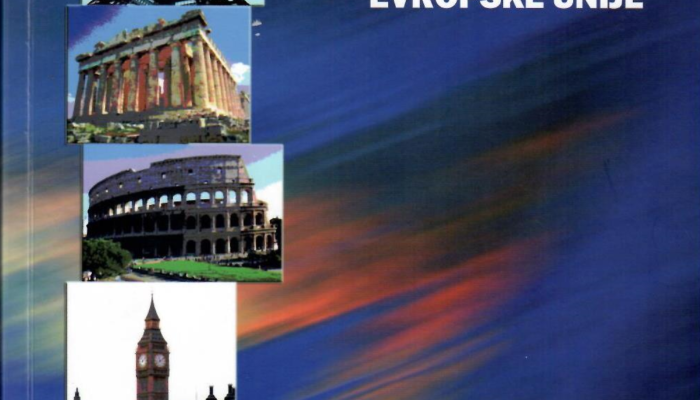
Pedeset godina Evropske unije

Afirmativna akcija: ustavnopravni i međunarodnopravni aspekti

Društvo i prostor: Epistemologija prostora | Društveni prostor i kulturnoistorijska značenja
Društvo i prostor: Urbani i ruralni prostor | Ekonomski, pravni i organizacioni prostor
Od Troje do Termopila

Finansiranje Evropske unije
Oblici povezivanja država članica u Evropskoj uniji

Regional Law Review 2020

Neteritorijalna manјinska autonomija/samouprava – Knjiga III

Borba protiv korupcije: iskustva i poređenja
Globalizacija i desuverenizacija

Pravni aspekti prikupljanja, upotrebe i značaja statističkih podataka o nacionalnoj, jezičkoj i verskoj pripadnosti stanovništva

Ljudska bezbednost: globalni kontekst i primena u Srbiji

The Hague tribunal between law and politics
Uloga društva u borbi protiv korupcije

Zaštita prava intelektualne svojine u sektoru informaciono-komunikacionih tehnologija
Suzbijanje organizovanog kriminala kao preduslov vladavine prava
Srpski fudbal : stanje i perspektive
Internet i društvo
Elementarne nepogode i vanredne situacije

Haški tribunal između prava i politike

Evropske integracije i međunarodna krivičnopravna saradnja

Sport i privatizacija
Borba protiv organizovanog kriminala u Srbiji: od postojećeg zakonodavstva do sveobuhvatnog predloga reforme
Političke stranke i poslanički mandat

Mir i rat u međunarodnim odnosima i pravu
Međunarodno javno pravo
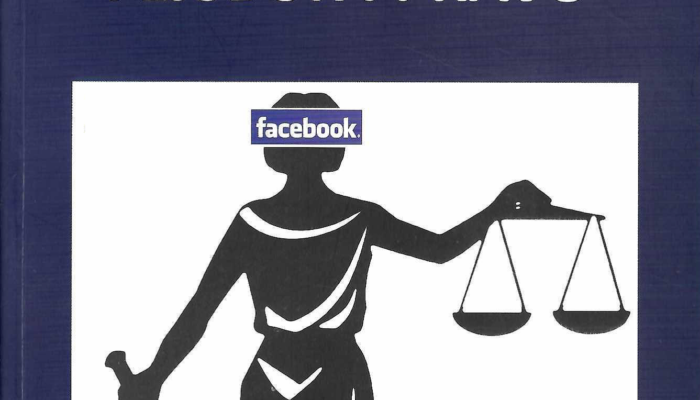
Fejsbuk i pravo

Organizovani kriminalitet i njegovo suzbijanje
Informatika sa statistikom u sportu

Sloboda veroispovesti u jurisprudenciji evropskih ustavnih sudova
Eutanazija – nove dimenzije
Pravno uređivanje telekomunikacija u Srbiji i državama Evropske unije
Tužioci i žrtve
Priručnik za krivično pravo Evropske unije

Prava pripadnika sistema odbrane

Porodičnopravni aspekti verskih brakova
Uvod u šerijatsko pravo
The position of the individual in modern legal systems

Finansijski kriminalitet i korupcija

Zaštita podataka o ličnosti u Srbiji
Građanska kontrola javnih nabavki
Integrity and Good Governance in the Western Balkans

Legal mechanisms for prevention of corruption in Southeast Europe
Preuzmite publikaciju
[3d-flip-book mode=”thumbnail-lightbox” id=”7163″ template=”short-white-book-view”][/3d-flip-book]
A new publication Legal Mechanisms for Prevention of Corruption in Southeast Europe with Special Focus on the Defence Sector edited by Dr Aleksandra Rabrenovic is released in 2013. This comparative-legal study analyses six checks and balances set in place to prevent corruption (parliamentary oversight; specialized anti-corruption bodies; arrangements for handling conflicts of interests; arrangements for transparency/freedom of access to information; arrangements for internal and external audit; ombudsman institution) and three areas that pose significant corruption/misuse risks (public procurement and disposal of defence assets; human resources management; control of intelligence agencies), with a special focus on the defence sector. The preparation and publishing of the publication was supported by generous financial assistance of the Government of Norway.
Uvod u pravo Francuske
Pravo na nezaborav
Sto godina od početka Prvog svetskog rata: istorijske i pravne studije

Basic Concepts of Public International Law Monism & Dualism
Dobra uprava i interna revizija
Prouzrokovanje štete, naknada štete i osiguranje
Odgovornost za štetu, naknada štete i osiguranje
Prouzrokovanje štete, naknada štete i osiguranje
Usklađivanje prava Republike Srbije sa pravnim tekovinama Evropske unije
Odgovornost internet posrednika za povredu žiga

Unitarni patent

Privredna krivična dela
Pravni mehanizmi sprečavanja korupcije u zemljama jugoistočne Evrope sa posebnim osvrtom na sektor odbrane

Prava deteta-Evolucija, realizacija i zaštita

Državno-crkveno pravo kroz vekove

Krivična dela visokotehnološkog kriminala
Knjiga „Krivična dela visokotehnološkog kriminala” sistematizovano objedinjava znanja iz oblasti visokotehnološkog kriminala. Pored praktičnih krivično pravnih aspekata ona ima i kriminalistički značaj s obzirom da je objašnjen značajan broj kriminalističkih i tehničkih metoda postupanja u cilju brzog, efikasnog i efektivnog postupanja organa gonjenja u svrhu rasvetljavanja krivičnih dela visokotehnološkog kriminala. Autori u knjizi govore o krivičnim delima vezanim za pornografiju, pedofiliju, krivičnim delima protiv intelektualne svojine, krivičnim delima protiv imovine kao što je prevara, krivičnim delima protiv privrede, falsifikovanju platnih kartica, krađi identiteta,. U knjizi se analiziraju i krivična dela protiv opšte sigurnosti ljudi i imovine, krivična dela protiv bezbednosti računarskih podataka, protiv ustavnog uređenja, krivičnim delima protiv čovečnosti i drugih dobara zaštićenih međunarodnim pravom, pre svega kad se radi o rasnoj ili drugoj diskriminaciji. Knjiga je pre svega namenjena pravnicima ali svakako može biti korisna i informatičarima i svima koji žele da prošire svoja znanja iz oblasti visokotehnološkog kriminala.
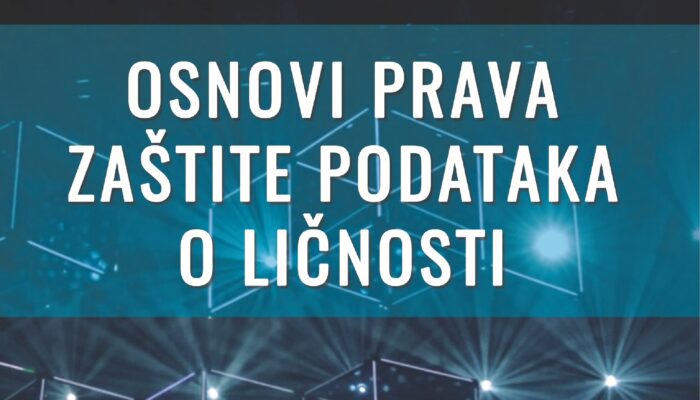
Osnovi zaštite podataka o ličnosti
Paralelno sa rastom prikupljenih podataka o svakom pojedincu, drastično porasla i opasnost od zloupotrebe ovih podataka, kako od strane pojedinaca, tako i od strane kompanija i državnih institucija. Slobodan protok informacija je nužnost, ali i velika opasnost za privatnost, nezavisnost i individualnost svakog pojedinca. Stavljanje podataka u središte razvoja industrije i upravljanja društvima zahteva podizanje na visok nivo kako sistema informacione bezbednosti, tako i sistema zaštite fundamentalnih prava građana. Pored tehničkih i informatičkih aspekata bezbednosti prikupljenih podataka izuzetno je važno stvaranje kompleksnog i delotvornog pravnog sistema zaštite podataka o ličnosti. Knjiga ” Osnovi prava zaštite podataka o ličnosti” predstavlja doprinos sagledavanju različitih aspekata tog složenog pravnog sistema zaštite podataka o ličnosti. U knjizi su objašnjeni i definisani podaci i njihove vrste, potom je objašnjen pojam pravne zaštite podataka njegov istorijski razvoj, na kojim se načelima zasniva i kakva su prava za građane proistekla razvijanjem sistema zaštite podataka. Poseban deo knjige posvećen je predstavljanju i analizi propisa koji na međunarodnom i nacionalnom planu regulišu oblast zaštite podataka o ličnosti. Poslednje poglavlje knjige posvećeno je praksi zaštite pojedinaca od zloupotrebe podataka o ličnosti prikazivanjem i analizom jednog broja slučajeva koji su procesuirani pred Evropskim sudom za ljudska prava, Sudom pravde Evropske unije i nacionalnim nezavisnim organima koji u svojoj nadležnosti imaju zaštitu podataka.
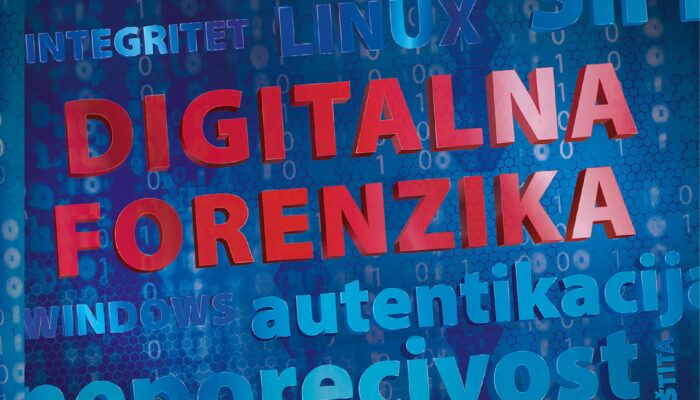
Digitalna forenzika
Knjiga „Digitalna forenzika” pruža prikaz stanja oblasti digitalne forenzike, pojašnjava metode i tehnike digitalne forenzike računarskih sistema koji otkrivaju ovakvu vrstu kriminala i preventivno deluju kao vid zaštite računarskih sistema. Analizom računarskih sistema se pokazuje stanje sistema, tj. koliko je sistem ranjiv posle njegove instalacije na računaru. Na taj način se detektuju ranjivosti u sistemu, dobijaju se preporuke za prevazilaženje ovih bezbedonosnih problema, čime se preventivno deluje protiv mogućeg forenzičkog relevantnog događaja. Tako da se ovo sveobuhvatno istraživanje može posmatrati i kao jedna proaktivna digitalna forenzika u smislu spremnog dočekivanja, ali i otkrivanja forenzički relevantnog događaja. Digitalni podaci generisani ili uneti u računar ostavljaju brojne tragove u operativnim sistemima. Pretraga za podacima podrazumeva priključivanje forenzičkog alata, što znači ostavljanje tragova na digitalne podatke (Lokardov zakon). Izbrisani podaci ostavljaju tragove u nealociranim i slek prostorima diska, a odsustvo podataka ukazuje na antiforenzičku aktivnost i predstavlja jaku osnovu za sumnju u nedozvoljene aktivnosti. Knjiga „Digitalna forenzika” može biti od koristi kako onima koji se bave pitanjima digitalne forenzike sa teorijskog aspekta, tako i onima koji se problemima digitalne forenzike suočavaju u praksi.

Zbornik za percepciju naucnog rada i poznavanje rekvizita njegove ocene (knjiga 1.)

Migranti na raskršću ili bespuću zemlje Srbije
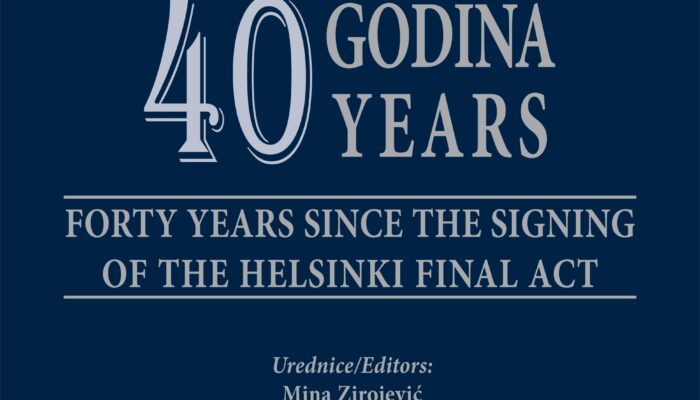
Četrdeset godina od potpisivanja Helsinškog završnog akta
Religija politika pravo
Objektivna odgovornost u krivičnom pravu

Kosmet – Gordijev čvor
Uvod u pravo SAD
Preispitivanje odluka međunarodnih trgovinskih arbitraža u postupku poništenja

Srpsko pravo i međunarodne sudske institucije
Financial accountability as a condition for EU membership
Preuzmite publikaciju
[3d-flip-book mode=”thumbnail-lightbox” id=”6536″ template=”short-white-book-view”][/3d-flip-book]
3rd network conference adaptation and implementation of the EU-acquis: an exchange of experiences

Serbian law in transition – changes and challenges
Spomenica Valtazara Bogišića u dve knjige – knjiga 2
Spomenica Valtazara Bogišića u dve knjige – knjiga 1
20 godina od razbijanja SFRJ
Uvod u pravo Nemačke

Izbori u domaćem i stranom pravu
Ekologija i pravo

Internet pravo
Stvaranje nove digitalne zajednice neprekidnim povećavanjem brojem korisnika interneta neumitno je uslovilo enormni rast digitalnih informacija u svim oblicima. Ova pojava uzdrmala je tradicionalne koncepte u gotovo svim oblastima života i rada i nametnula je potrebu traženja novih rešenja. Neke od tih oblasti svakako su i oblasti intelektualne svojine, autorskih prava, zaštite podataka i privatnosti, elektronskog poslovanja i visokotehnološkog kriminala. U knjizi se govori o licencama kreativne zajednice koje danas prihvata ogroman broj autora i institucija u najvećem broju zemalja sveta. Ove licence su pravi primer dobrih rešenja u oblasti ostvarivanja sloboda i prava u digitalnoj zajednici. Podaci o ličnosti, tako i podaci koji se odnose na funkcionisanje pravnih lica ili državnih organa i institucija treba da budu na određeni način zaštićeni. Zaštita podrazumeva dvostruku aktivnost: sa jedne strane, ne smeju se učiniti javnim podaci koji nisu kao takvi određeni propisima; sa druge strane, to je problem obezbeđivanja integriteta računara i računarskih sistema u kojima se nalaze podaci koji su postavljeni na internet u nekom restriktivnom obliku (za strogo određeni broj korisnika koji imaju interes da u njih imaju uvid i sa njima dalje raspolažu). Pored regulisanjem zaštite privatnosti i podataka neophodno je posebnu pažnju dati području bezbednosti računarskih sistema i računarskih mreža, odnosno bezbednosti svih korisnika računara koji pristupaju sajber prostoru. U knjizi su analizirana pitanja poslovanja na internetu, sklapanja elektronskih ugovora definisanja procesnih pravila pri sklapanju elektronskih ugovora. Mnogobrojne zloupotrebe elektronskih podataka, lažno predstavljanje na internetu, elektronske prevare, elektronske sabotaže, unošenje virusa u računarske sisteme,neovlašćeno menjanje elektronskih podataka, linkovanje bez prethodne dozvole, i mnoge druge nedozvoljene radnje prilikom elektronske trgovine takođe su predmet knjige „Internet pravo”.

Ljudska prava Pravno sistemski okvir

Sistemi zdravstvene zaštite i zdravstvenog osiguranja
Saradnja sudova i drugih organa u građanskim stvarima u pravu Evropske unije
Pravo zemalja u regionu
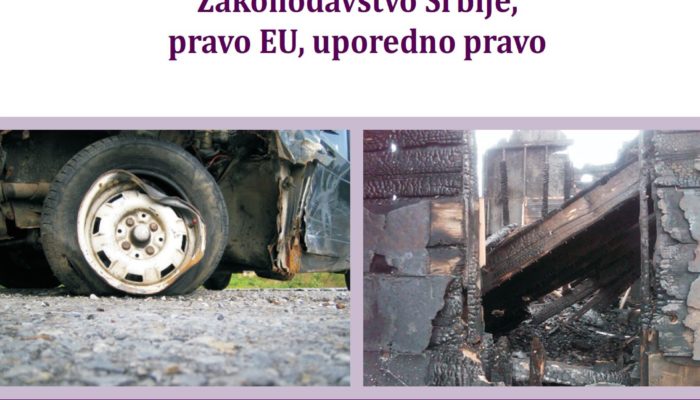
Osiguravajuća društva: zakonodavstvo Srbije, pravo EU, uporedno pravo
QUO VADIS EU? Relevantni pravni i institucionalni faktori
Naknada štete pred evropskim nadnacionalnim sudovima

Pravni aspekti digitalizacije kulturne baštine

Fejsbuk, zaštita podataka i sudska praksa
Najviše pravnih problema na Fejsbuku vezano je za pravo privatnosti, zaštitu podataka kao i mogućnost ostvarivanja prava na pravnu zaštitu. Ova pitanja regulisana su propisima EU i to pre svega Direktivom o zaštiti podataka (Directive 95/46/EC), Direktivom o privatnosti i elektronskim komunikacijama (Directive 2002/58/EC), Direktivom kojom se menja Direktiva o privatnosti i elektronskim komunikacijama (Directive 2006/24/EC), Direktivom kojom se takođe menja Direktiva o privatnosti i elektronskim komunikacijama (Directive 2009/136/EC), i Telekom paket Direktivom (Directive 2009/140/EC). Kao što se može primetiti, jedna od najvažijih direktiva je doneta još 1995. godine. I pored toga ova direktiva je ostala kamen temeljac u razvitku daljih pravnih propisa EU u oblasti zaštite podataka i prava privatnosti, pre svega zato što je dugogodišnja sudska praksa bazirana na ovoj direktivi. Ostale direktive predstavljaju nadogradnju kako bi se omogućila u primena ovih direktiva u oblasti elektronskih komunikacija. Direktiva iz 1995. godine poslužila je kao baza za novu Opštu uredbu o zaštiti podataka (Regulation 2016/679), koja počinje da se primenjuje 25.5.2018. godine. Niz primera iz prakse i sudskih presuda nastalih kao posledica korišćenja Fejsbuka, koji su navedeni u ovoj knjizi ” Fejsbuk, zaštita podataka i sudska praksa” treba da predstavljaju ozbiljno upozorenje svim korisnicima ove društvene mreže sa ciljem da budu znatno oprezniji pri korišćenju ove društvene mreže, odnosno da budu svesni kakve sve posledice mogu izazvati njihove aktivnosti na Fejsbuku.

Continuity and discontinuity in Serbian legislation and practice – selected aspects

Pravni okvir kulturne delatnosti nacionalnih manjina
Pravo zaštite podataka
Uporedo sa razvojem teorija o shvatanju privatnosti i zaštitom prava privatnosti pred sudovima u Evropi se od sedamdesetih godina dvadesetog veka pa sve do danas razvijala pravna regulativa koja reguliše pitanje zaštite podataka i stvara kompleksan sistem zaštite podataka. U početku su to bili zakonski propisi pojedinih evropskih zemalja, a potom je glavnu ulogu u stvaranju sistema zaštite podataka preuzela Evropska Unija. Od velikog broja propisa koji su doneti u okviru Evropske unije treba izdvojiti pre svega Direktivu o zaštiti podataka (Directive 95/46/EC), Direktivu o privatnosti i elektronskim komunikacijama (Directive 2002/58/EC), Direktivu kojom se menja Direktiva o privatnosti i elektronskim komunikacijama (Directive 2006/24/EC), Direktivu kojom se takođe menja Direktiva o privatnosti i elektronskim komunikacijama (Directive 2009/136/EC), i Telekom paket Direktivu (Directive 2009/140/EC). Stupanjem na snagu Lisabonskog sporazuma 2009. godine pravnu obaveznost i isti pravni značaj kao i osnivački ugovori stekla je Povelja Evropske unije o osnovnim pravima usvojena 2000. godine i izmenjena 2007. godine koja članom 8. definiše pravo na zaštitu podataka. EU je 2016. g. donela Opšte uredbu o zaštiti podataka (Regulation 2016/679), koja je počela da se primenjuje 25.5.2018. godine, koja je imala globalne efekti i mogućnost primene u svim zemljama širom sveta. Zbog ovog pravnog propisa promenili su svoje ponašanje i način funkcionisanje milioni privatnih kompanija među kojima i one najveće, poput Gogla ili Fejsbuka, veliki broj država širom sveta menja svoja nacionalna zakonodavstva i način prikupljanja obrade i čuvanja podataka, a građani dobijaju bolju zaštitu i nova prava, koja sada mogu i da ostvare.

Neteritorijalna manјinska autonomija/samouprava – Knjiga I

Finansiranje naučnih istraživanja – uporedno pravo i praksa

Finansijski kriminalitet
Uvod u pravo Rusije
Krivičnopravna zaštita finansijskih interesa Evropske unije

Vek i po regulisanja stečaja u Srbiji

Primena digitalizacije u kulturi i nauci

Evropski sistemi plata i nagrađivanja državnih službenika
Uvod u pravo Švajcarske
Uvod u pravo Rusije: Srbija i Rusija kroz vekove

Neteritorijalna manјinska autonomija/samouprava – Knjiga II